
Exclusive Interview: Xanadu CEO Christian Weedbrook on the Future of Photonic Quantum Computing
Christian Weedbrook on Aurora, optical loss, GlobalFoundries, ASML, AMD and the milestones ahead for photonic quantum computing.
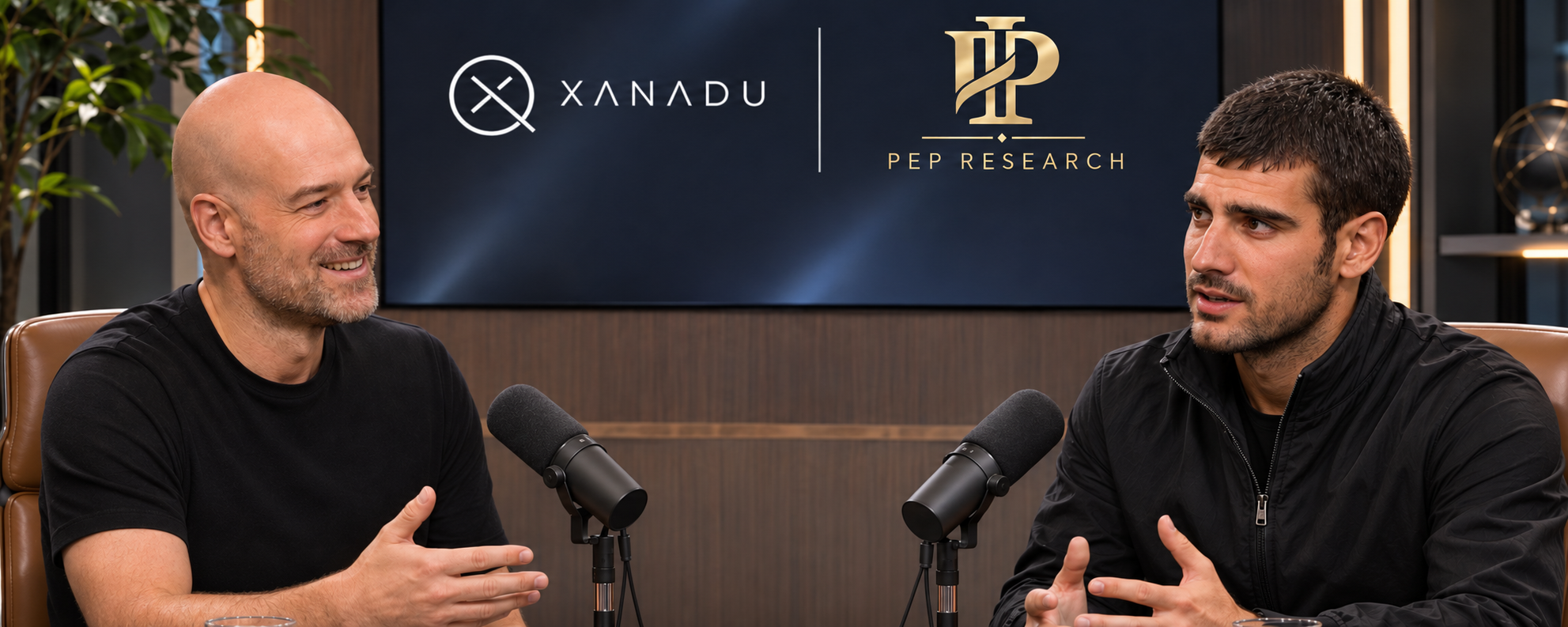
Published by Pep Invest on 18 November 2026. Original interview on X
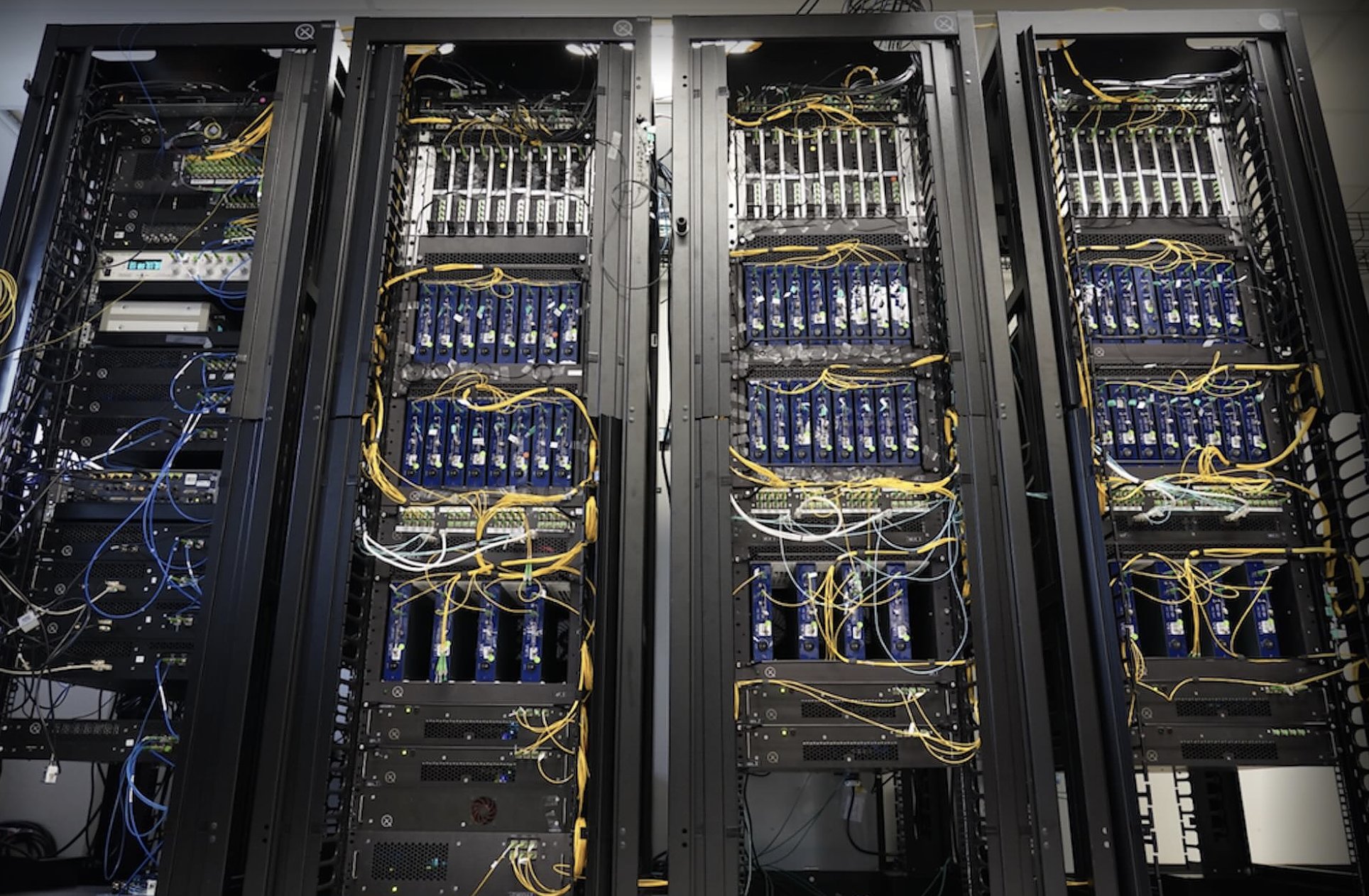
Aurora showed that Xanadu could connect quantum computing modules over fiber.
What will it take to turn that architecture into a useful quantum computer?
I asked Xanadu founder and CEO Christian Weedbrook what the company has already demonstrated, what it still needs to prove, and where GlobalFoundries, ASML, and AMD fit into the work ahead.
01 · Why photonics?
Pep Research: What originally convinced you that light could offer the best route to large-scale quantum computing? Which advantage has Xanadu already demonstrated, and what still needs to be proven?
Christian Weedbrook: The ability to network is a huge advantage for us. Most, if not all, approaches will involve networking many smaller quantum computers to form a larger one. Fiber optics is how you do that. So far, we’re the only company to have demonstrated this, which we did with Aurora.
We can also work with large-scale semiconductor foundries, and we believe our approach will require substantially less cooling than others.
02 · GlobalFoundries and the first chips
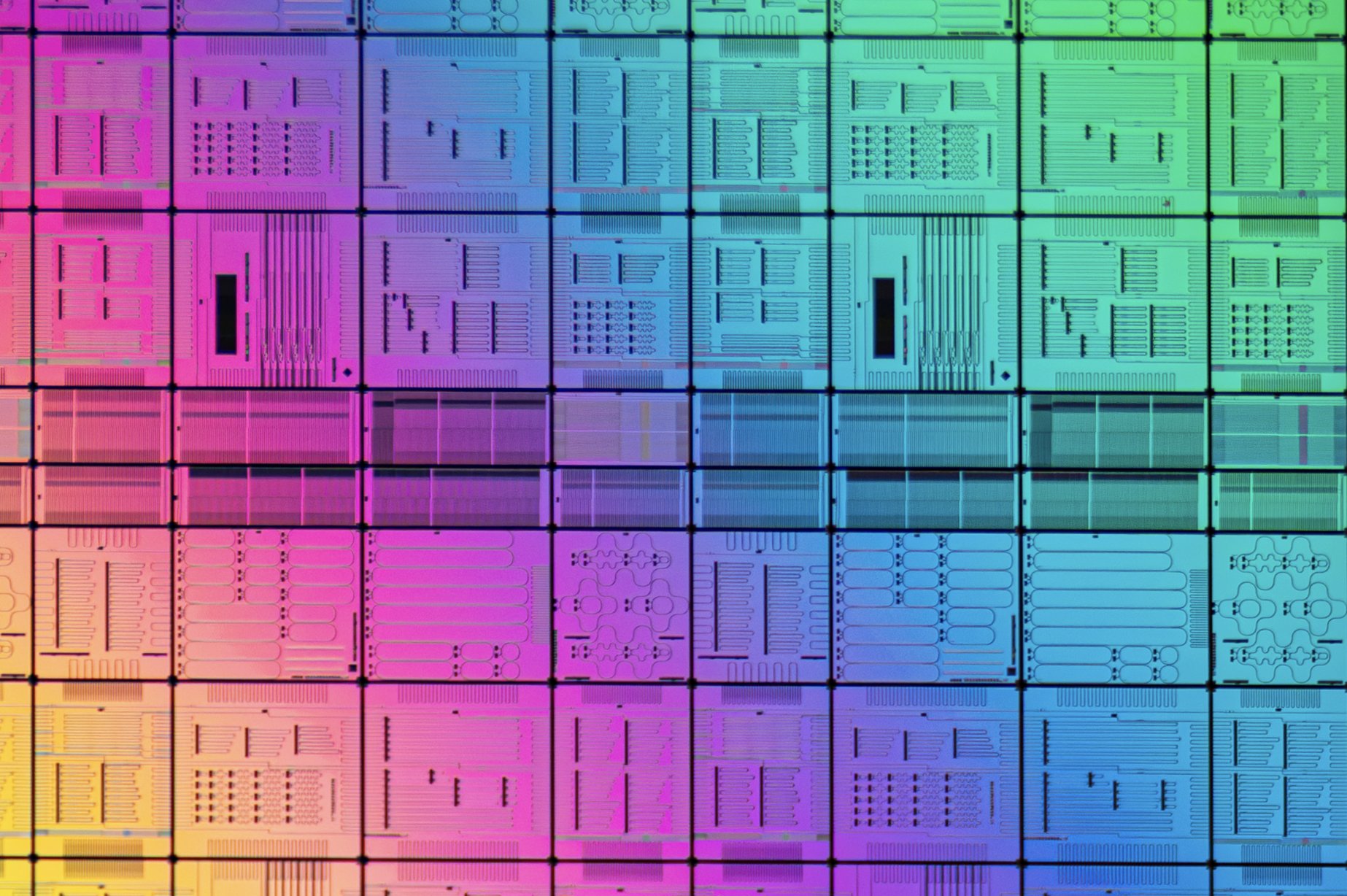
Pep Research: You’re working with GlobalFoundries on ultra-low-loss silicon nitride photonics and single-photon detectors on its 300 mm manufacturing line. What’s the next concrete step toward repeatable, high-volume production?
Christian Weedbrook: We’ve only just started, so the next milestone is getting the first chips back. We’re already working with others on these chips. Having another manufacturing option with a partner that can produce at high volumes would be a big plus for us.
03 · What better lithography could do for Xanadu
Pep Research: How does better lithography translate into a more capable quantum computer? What could a successful collaboration with ASML allow Xanadu to do that it can’t do today?
Christian Weedbrook: For us to succeed, we need to reduce optical loss. That’s where ASML can help. We’ll be working with some of the most advanced lithography tools available to bring those losses down.
04 · What comes after Backline?
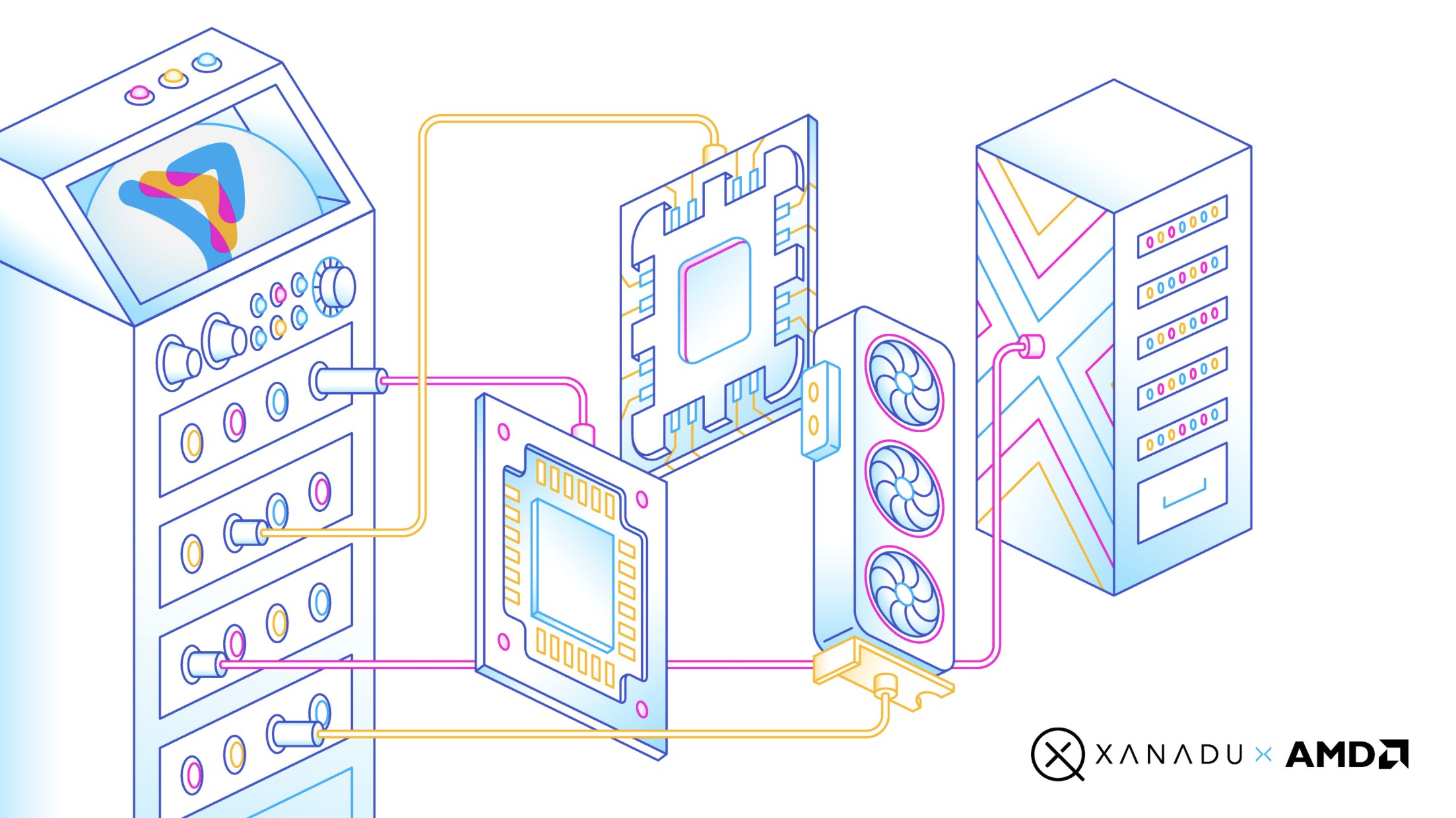
Pep Research: How does Backline fit into the systems you’re building? What’s next in your work with AMD, and where do you see the biggest opportunity for classical and quantum computing to work together?
Christian Weedbrook: We’ve seen a lot of interest in Backline. The next step is to get as many people using it as possible. It ties into our work with AMD on the interface between classical and quantum computing. That interface is especially important for error correction, where you need to analyze syndrome measurements as quickly as possible.
05 · What to watch over the next 12 months
Pep Research: Which public milestones should people following Xanadu pay the most attention to over the next 12 months? In particular, what should the Qubit Factory demonstrate, and what would you consider a successful result?
Christian Weedbrook: Continued loss reduction. Aurora showed the building blocks you need for a large-scale quantum computer. Now we need to improve its performance, and specifically, we need to reduce optical loss.
06 · Where customers could see value first
Pep Research: Which problem is Xanadu most likely to solve first where a customer would see a meaningful advantage? What would the system need to demonstrate before that customer would pay to use it?
Christian Weedbrook: Quantum chemistry applications and materials design.
07 · How the technology becomes a business
Pep Research: Before large-scale quantum computers are commercially available, where do you see the strongest revenue opportunities for Xanadu? How do PennyLane, research engagements, and potential licensing of your photonics technology fit in?
Christian Weedbrook: We’re always thinking about how to monetize PennyLane. We’ve put a lot into building a strong developer ecosystem around it, so we’ll see where that goes.
Right now, our priority is making progress on the hardware. We generate a small amount of revenue today. I think meaningful revenue will come when a company has a large-scale quantum computer.
08 · What people underestimate and what remains hardest
Pep Research: What progress at Xanadu do you think people outside the company still underestimate? What’s the hardest unresolved technical challenge investors should understand?
Christian Weedbrook: People probably underestimate how difficult it is to network quantum computers together. We’ve already shown that we can do it. Optical loss is the biggest challenge that remains.
Pep’s Take
Members can read my investment assessment of the interview and explore the full Xanadu company profile.
Read the member analysisPEP RESEARCH · Pep InvestMore research